Spring Walleye Fishing Techniques

What Is the Best Tackle to Catch Walleye?

For best results with any variety of walleye tackle, use a light weight mono-filament line, 2 to 6 pound test line and using a slow retrieve, and natural baits are great for catching walleye in the spring.

A sensitive rods made of graphite are great in feeling these light strikes.
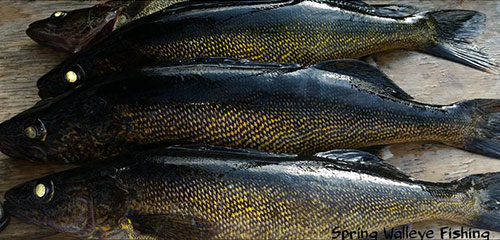
Spring Walleye Fishing

Spring Walleye Fishing

In large rivers, back-trolling is most effective. Some days walleye seem to prefer a plain, standard hook and minnow or using a red or chartreuse beads forward of the hook (Little Joes spinners).

When the fish are active and suspended off the bottom, a floating jig or soft, plastic floater is more effective.

Regardless what bait is used, a good technique is alternately lifting the rod tip, hesitating, then lowering the bait and always letting it touch the bottom.

When spring fishing for walleye, always set the hook as quickly as possible after they strike, and do not allow any slack in the line. Leadhead and minnow combination work well for walleye when they are cast and retrieved slowly with a pumping action raising and lowering the rod tip. Where the water is deep, in the pools near falls or along river inlet bays, back trolling or casting with a spinner and minnow bait or a slip-sinker rig are also productive.

Walleye are usually concentrated near structures and over shallow shoals such as rock reefs or points.
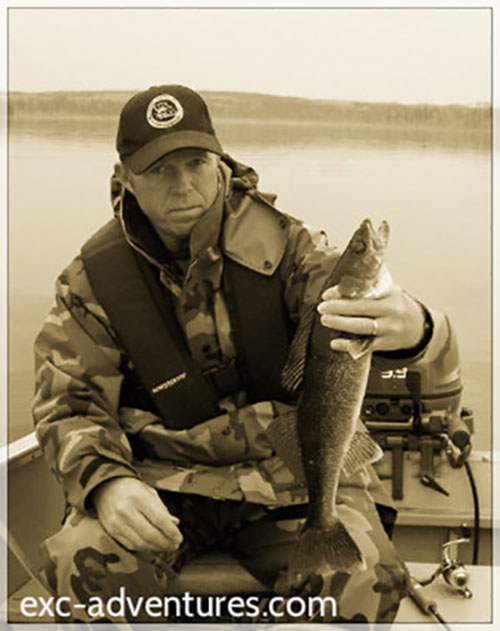
Spring Walleye Fishing Techniques

How to Back Troll for Walleye

The most effective fishing method is slowly back trolling using a slip-sinker and minnow combination. This rig will allow a walleye to take the bait and move off without feeling the extra weight of the sinker. Slip-sinker rigs should be used like this. Put enough line so the sinker touches the bottom. With a very slow back and forth movement lift the sinker from the bottom, then let it settle back down to the bottom.

Walleye Fishing with a Spinning Reel

If you are using a spinning reel have the bail in an open position and hold the line with your fingertip. You will feel a slight movement in the line when the walleye bites. When this happens allow the line to feed off the reel until it stops. Count to 4 or 5 (depending on how aggressively they are striking) and close the bail. Then when the line tightens go ahead and set the hook.

Best Time to Cast for Walleye from Shore

At times during the spring period, walleye move into very shallow depths, especially near darkness. The best way to catch these fish is by long-line trolling a crank-bait or minnow plug type lure 100 to 150 feet or more behind the boat or just casting from shore into the shallows using a crank bait works well in the evenings.
How Do I Get My Fishing Licence for Canada?

Planning a Fishing trip to Canada and need an Ontario Fishing Licence?

Here is the quickest way to get your Ontario fishing or hunting licence. The province of Ontario has an important website Ontario that is filled with information that will be helpful for your trip. If you are not a resident of Ontario, you can buy your Outdoors Card and fishing licence on the Hunt and Fish Ontario Website.

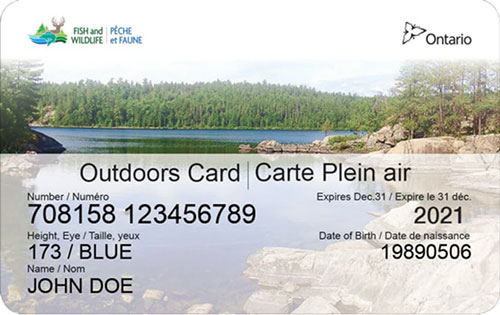
Outdoors Card Canada

Checklist of What You Need

Look over the province of Ontario checklist before you order a Fishing licence for non-residents of Canada.

Learn why you need both the Outdoors Card and a fishing licence tag, and compare the difference between a conservation fishing licence tag and a sport fishing licence tag. You can also find details about the current catch and possession limits for fishing in Ontario.

Where to Buy It

Purchase your Ontario hunting and fishing licences or your first fishing Outdoors Card online at the automated licensing website of the Ontario Ministry of Natural Resources and Forestry.

Where To Find Help

Our travel planning experts can help you select the best options to match your fishing trip! Contact us and we would be happy to help!

Fish Conservation and Fish Handling Tips

We have been following conservation policy practices for decades. It’s why our fishing is so amazing now! A few simple fish handling tips can allow the trophy fish to thrive, in order to produce more trophy sized fish for the future!

Top 5 Tips for the Best Moose Hunt Success Rates

#5. If possible, always hunt areas that you know are undisturbed from other hunters. This is done by getting off the beaten paths. Hunt away from where other hunters are, away from the roads and traffic, in areas not often visited by other hunters. This ultimately will always provide better hunt areas since moose are more likely to move on if disturbed in their habitat.

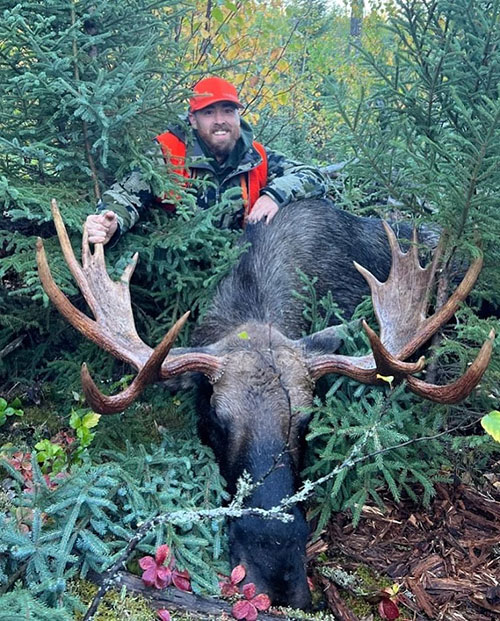
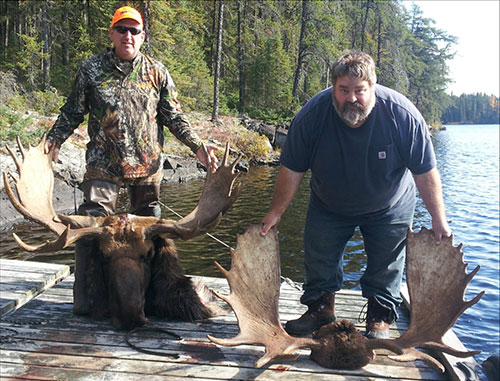
Successful Moose Hunt - Brownstone

#4. Scout out areas ahead prior to the hunt and look for signs of moose. Recognizing the difference between fresh and old moose signs is very important. Fresh beds, tracks and scrapings closer to the rut are definitely important in determining where to post. Do some calling in these areas if possible. If moose are in an area very often they won’t be far during the rutting season. During the rut, hunt near ponds or lakes (this is where the cows are). These areas provide an excellent source of food and water. Spreading yourself too thin by working too many areas leaves cows unwatched in the prime hunt times. Try to concentrate on one or two areas only.

#3. Hunt along ridges or in deciduous covered areas early in the season along lakes or ponds. If the weather is warmer than usual, hunt near areas that are generally cooler, like swamps.

#2. When hunting, use the wind to your advantage. Some hunters use a wind indicator to detect the direction in which the air is moving. This is very important since moose have a really good sense of smell. Moose also have very good hearing, so make sure to do some calling. If you happen to see or hear a moose just before dark, or if the winds are blowing in the wrong direction, quietly leave the area. Return later or early the next morning; the moose will still be in the area if it wasn’t spooked.

Set up your camp on the edge of a likely hunting spot but far enough away from your prime hunting spot. Your noise and smells will often chase any close moose away.

Moose Buck
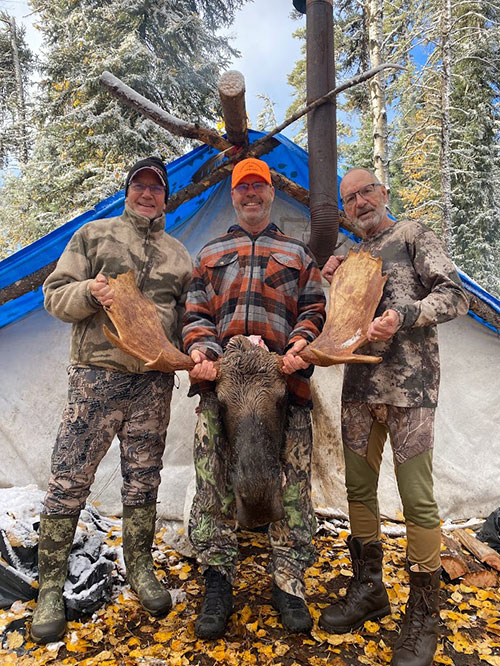
Moose Buck - Tent Camp

Weather plays a huge role in any hunting, whether it is moose, deer or other. Hunting during the moose rut is the best time since moose are more active and apt to come to your call. Moose hunting later in the season might require you to go deeper into the forest, away from the lakes and opening. Moose tend to go into the swamps in bad weather and later in the season for protection and better food sources.

Early mornings and evenings tend to be most productive since winds are lighter and moose usually come to water at that time of day. Although some of our best moose taken have been midday. Remember that few moose are taken in camp so you really need to be watching and scouting prime areas consistently.

#1. Always carry a compass or a GPS with spare batteries if trekking back in off the lakes to ensure you will find your way home. Make sure you are well versed on its usage before you get back in off the beaten path. I have heard a few stories as recently as this fall of hunters tracking the wrong direction on their GPS. This can be very dangerous especially if you are late in the evening returning or disoriented for any reason.

Satellite phones, In-Reach or Spot devices for communication are great to have along in these remote areas. The key to any successful hunt is being prepared not only with a good area to hunt but hunting with a Seasoned Proven Outfitter or person that knows the areas that it is hunting.

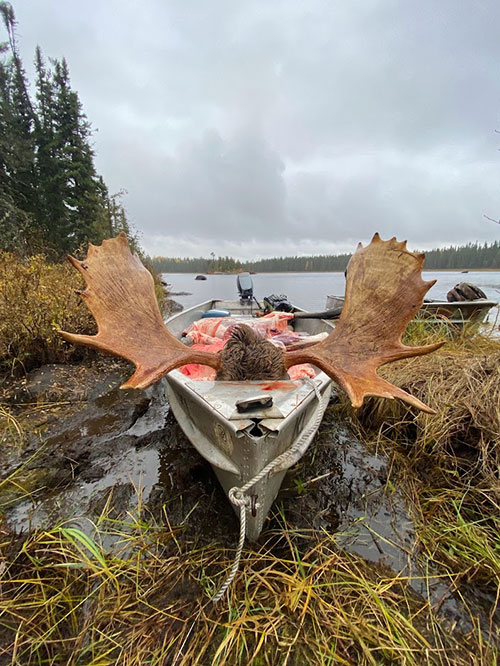
Water Access - Moose Hunting

How to Fish for Walleye

Some good fishing techniques for walleye include back trolling with a slip-sinker rig baited with a minnow or casting a leadhead tipped with a minnow. Read more on back-trolling and other ways to consistently catch walleye.

A location worth trying is a flowing inlet from an adjacent lake or marsh. The minor currents attract bait-fish and walleye move in to feed on them. Leadheads tipped with minnows or minnow plug type lures work real good.

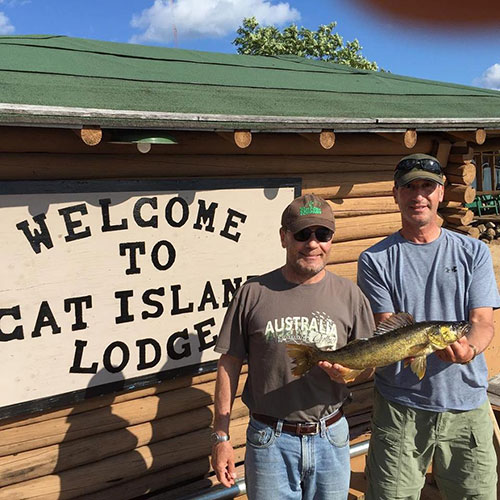
Nice Walleye at Cat Island Lodge

Long-lining in early morning or late evening, close to a rocky shoreline or shallow reef with rocky structure with a floating diver rig can produce good walleye also.

How To Fish For Walleye in Deep Waters

A large chub baited slip-sinker rig or a leadhead jig preferably dark in color and tipped with a minnow — or a deep running plug are best for catching walleye in these deeper waters.

Rigging of a “stinger” hook will often mean the difference in fishing success if they are biting light. Sometimes walleye have a habit of striking short, and the minnow or lure will show cut marks on there body. Attach a small No. 10 or 12 treble hook to a single shank hook with a 3 or 4 inches of 10 Lb test monofilament line.

Presentation should be slower in fall, and make sure the bait or lure is moved just off the bottom. Here are a few tips for spring walleye fishing. Fishing in the rivers is best fishing in the deepest pools of the rivers. Walleye like to congregate in the deep holes as the water cools.

And remember slower is better.

[Video] Ontario Moose Hunt Interview

Fantastic interview with hunter just after taking his Bull Moose on an Ontario Moose Hunt with Excellent Adventures.

Planning an Ontario Moose Hunt? Check out Moose Hunting to get familiar with what we offer!

Ear Falls Ontario Moose Hunts – Remote Big Game Hunts in Northern Ontario Canada.