Trout Fishing Changes with the Season

Fly fishing for Trout is best in the spring because Lake Trout come to the surface with the cooler water temp and are able to be caught about anywhere on small tackle.

Some anglers often call them a bonus fish as you never know where or when you will catch them, but serious fly fishermen say that fly fishing for Trout is the most exciting way to catch Lake Trout.
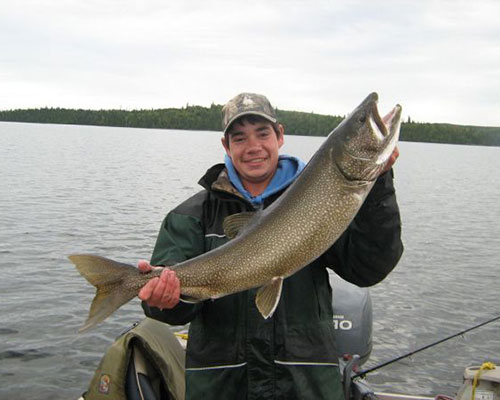
Lake Trout Fishing Trip in Ontario

This is the case till late June when the waters warm.

In the summer, they are in very deep water and are more of a challenge to find and catch. Vertical jigging or down riggers are the way to go. When you catch one, watch out, the fight out of that water some 60 foot down or more is a thrill one never forgets.
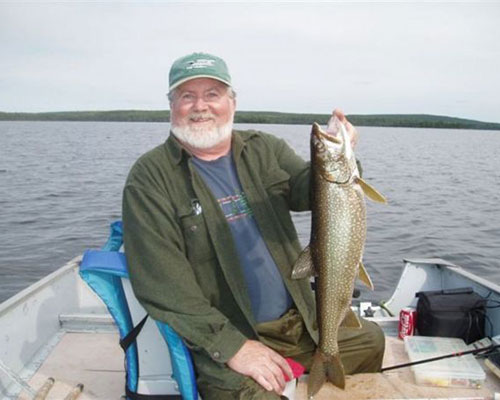
25 Inch Lake Trout Ontario

In August till later in the fall, they start returning again to the shallows for the spawning season and they are at their prime when you catch Lake Trout by fly fishing right off the shallow rocks in which they spawn in September.

The fight Lake Trout give when caught in the fall will amaze the most veteran fly fisherman.
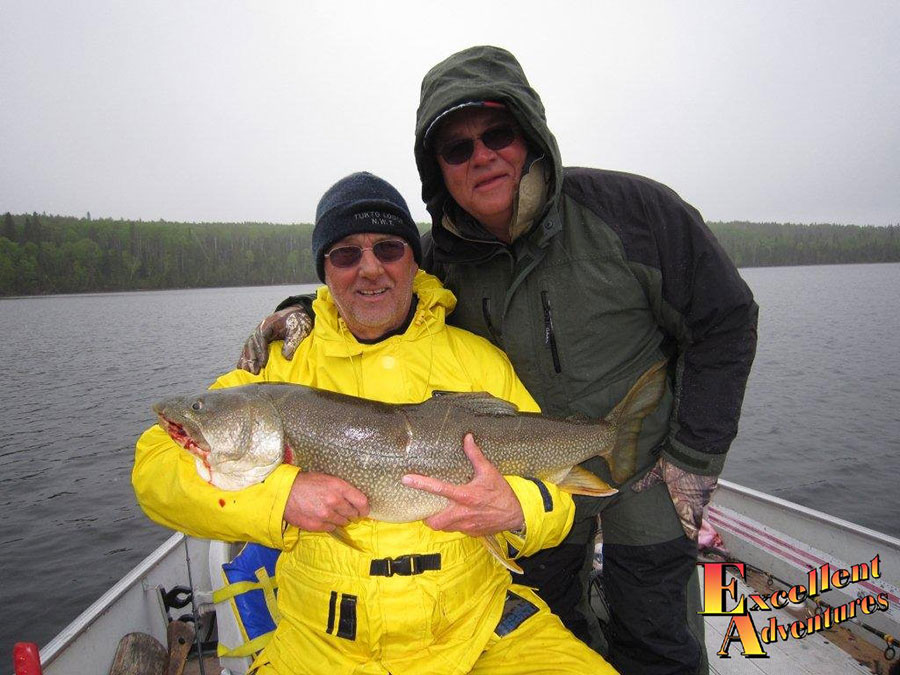
39 Inch Lake Trout

What Do Northern Pike Eat?

If you have ever considered a trip to a remote fly-in fishing area in Northwestern Ontario, you might wonder; what do Northern Pike eat?

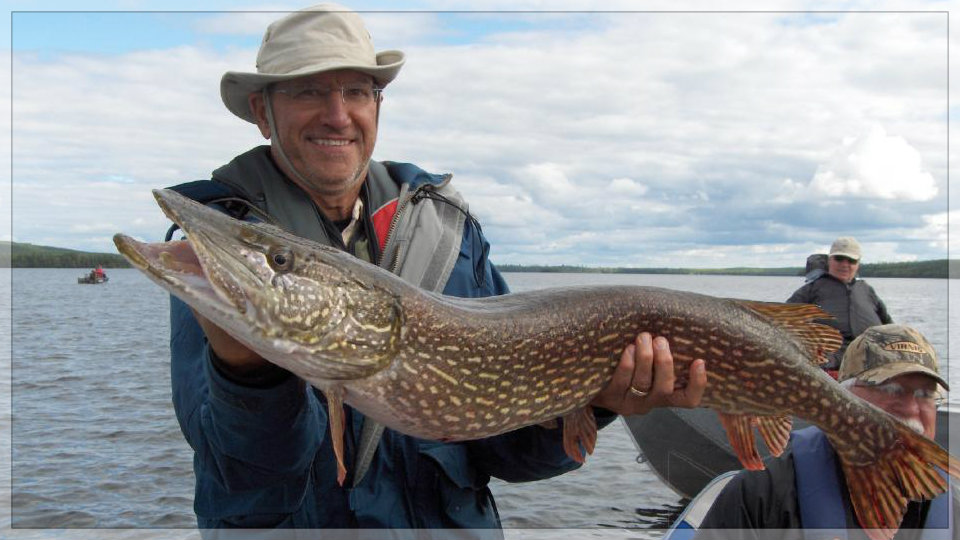
Northern Pike are at the top of the food chain in most lakes and they just about eat anything. Walleyes, Chubs, Perch, Bass, Shiners, Frogs, Snakes, Birds, Bugs and other Pike are all on their menu.

What Do Northern Pike Eat?

Once the Northern have completed spawning the large female pike can be spotted cruising the shallows searching for food. The larger Northern Pike will even attack and eat smaller pike up to half the length of themselves.

Smallmouth Bass that are defending their beds are an easy meal for a Northern Pike this time of year.

The reason you want to know what do Northern Pike eat, is so that you can present them with the best Northern Pike tackle that best matches the bait fish they eat in the local lake. That is how you can be sure you will catch lots of Pike on your fly-in fishing trip!

[Video] Where to Find and Catch Northern Pike

Before you set out on your Canadian Fishing Trip of a Lifetime, you may want to prepare with a few tips on where to find and catch Northern Pike.

Where to Find Northern Pike

Small to medium size Northern Pike generally stay in thick weeds and close to shore. They will stick to the back of bays where water warms up quickly with the morning sun and they have lots of weeds to hide in.

The really large Northern Pike are more likely to hang around points leading into bays, narrows between islands or in river current especially later in the spring. They like to hang around areas where Walleyes and Bass are migrating through to ambush them.

How To Catch Northern Pike

One of the best ways to get that big spring pike is bobber fishing a frozen ciscoe. Seldom will a large pike turn down a floating ciscoe. Minnows or sucker minnows are also a popular choice. Using a medium size treble hook tipped with your bait about 2-3 feet below a float works most of the time. Cast it out and wait for a strike.

Be sure your float is under water for at least 15-20 seconds before setting your hook. When using large sucker or ciscoes, minnows, leave your bail open so the fish swims away with your bait and then wait a bit before setting the hook.

Read more Tips on Northern Pike Tackle and Lures.

How to Catch Your Limit of Perch

Starting With The Right Tackle For Catching Perch

Tips on how to catch your limit of Perch: Lindy rigs, jigs and slip floats, crappie spreader rigs and the tips below will help you catch your limit of Perch.

Small Lindy Rig

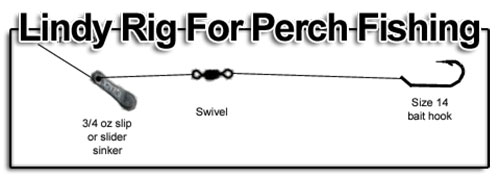
These rigs are designed to present live bait to Perch in the most effective means possible. When fishing large basin area Lindy rigs work great. These rigs can effectively be fished vertically to cover lots of water while drifting.

Lindy Rig for Perch Fishing

Water Temperature and Bait Selection

Baits for tipping these rigs vary depending on the water temperature!

When fishing for Perch in the spring we find that minnows work the best in cold water.

Nightcrawlers become more productive bait for Perch as waters warm beyond the mid-fifty degree mark.

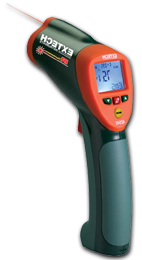
Water Temperature Thermometer

Perch are schooling fish which tend to roam open water areas during early summer in search of emerging weeds, insects and bait fish.

In the early spring when the waters are still cold is the best time to cast from shore to catch Perch that are hanging around the earliest growing weeds.

Northern Pike Tackle Tips

Northern Pike Tackle Tips from
Six Carefully Managed Fisheries Where
the Fishing Is Like It Was One Hundred Years Ago!

Best Tackle Tips for Northern Pike Fishing

One of the first questions asked by our guests is – What is the best fishing tackle?

Of course this is followed by a list of other questions such as – What kind of rod & reels are best to use? What are the top lures? What size lures? What colors are best? What size monofilament line should I use? And the list goes on.

On this page we will answer questions about the top equipment and offer proven tackle tips. However these are simply suggestions and testing these fishing tips and tackle recommendations is up to you while you are on the lake fishing.

Excitement about Upcoming Fly-in Fishing Trip!

Fishing Rods:

We advise fishermen to bring along the rod and reels they feel comfortable using. Casting & spinning are the most popular and top rated, but we can see here that fly fishing for Northern Pike is also an effective way to catch a trophy!

Medium to light action rods get good reviews. They allow the best action and good hook setting ability. Ultra light rods may also be used for northern pike, but hook sets are more difficult. They offer tons of action once the fish is hooked.

Pike caught on a fly rod in Big Rock Bay on Trout Lake, near Ear Falls, Ontario, Canada.

True Wilderness Adventures!

Fishing and Hunting in Ontario’s Great Northwest.

Our charter float-plane service is located about 150 miles north of International Falls MN near the community of Ear Falls in Canada.

Reels:

Regardless of the manufacturer or type of reel, always ensure that the reel has a good drag system that allow smooth release of the line throughout the range of the reels drag setting & allows for easy setting of the drag.

If the reel has jerky or erratic release points or is difficult to set, consider the purchase of a new reel. The real need not be expensive, selecting one of the top 10 reels in your local bait shop is all you need. The drag is the most important part. Our guests land big fish with light equipment but it always comes down to proper drag setting while fighting the fish.

Line & Line Test:

6# to 10# test seem to be the most popular fishing line. 8# is a good choice. For casting with larger lures, some guests have a second rod equipped with 14# to 17# line.

Once again, the drag setting is important, set the reel for the line test, the line must release before it reaches its breaking point. When BIG fish are hooked, set the drag back a little lighter to allow for the strong immediate force these fish place on your line when they run and dive.

The Best Canadian Northern Pike Fly-in Fishing!

Exceptional Equipment and All the Amenities!

We Make It a Truly Memorable Trip.

Suggested Tackle For Northern Pike:

Light to medium action rod with a 6# test line.

  • Little Joe spinner, with a 1/4oz in-line sinker in gold, chartreuse, orange, green, white or red.
  • 1/4oz lead head jigs with 2″ twister tails in yellow, smoke, brown, white, chartreuse and black.
  • We highly recommend live bait, minnows, crawlers or leeches when fishing with jigs.
  • Deep diving stick baits such as Rapala’s, Hot to Trots, Hot tiger Black & Silver, Black & Gold Shiners.

Medium to heavy action rod with a 10-12# test line.

  • Rat-L-Traps, shad, blue, silver and chartreuse.
  • 7″ floating Rapala’s blue, silver, black/silver & chartreuse.
  • Spoons, 4-5″ long in red/white, gold, silver, or strip – Orange daredevils, blue foxes or doctor spoons.
  • Little Cleo’s 3/4 oz. In the above colors, gold/silver work the best.
  • Bucktail Mepp’s #4 & #5, dressed or undressed.
  • Large Bass spinner baits.
Anticipation of Excellent Adventures Remote Outpost Fishing Trip

Heavy action rod with a 14# test line.

  • 1/2 to 3/4 oz Heddon Sonars, gold, white or silver 1/2 oz jigs with 4″ white gist tails.
  • Sutton spoons – Flutter spoons. – All in gold or silver.
  • 3-way swivels and snap swivels to handle 2 to 8 oz weight for late summer fishing Dipsey divers
Joys of family trip to Excellent Adventures