Summer Smallmouth Bass Fishing Tips

Summer adds more sunlight and warmer water which starts the underwater vegetation to growing and showing to the surface. When this happens schooling bait-fish seek the vegetation for cover, then the post-spawn Smallmouth Bass start hanging out in these areas for food all throughout the day. Some of the best lures include spinners such as Mepps and twitch minnow baits.

Top water lures, usually in the mid-morning hours is excellent on calm mornings. Any lure that floats and can cause ripples can be good when the water is glass-calm. If the fish are active on these faster moving lures, keep throwing them. If it slows down try using Bass jigs and plastic baits. Live bait works well year round for the Smallmouth even though the action can be so fast that it is a lot of work re-baiting all the time.

Summer Smallmouth Bass Fishing Tips

If you can’t find the Bass in the vegetation areas then move out to deeper weed line edges away from shore. Move out to underwater rock shelves or rock points.
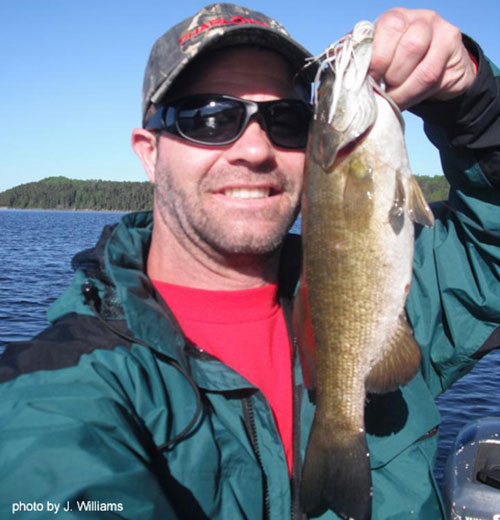
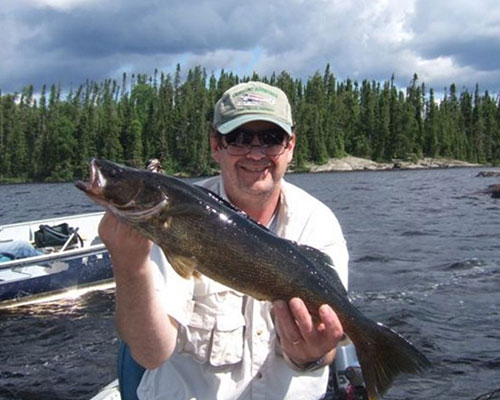
Smallmouth Bass

Click to Get Faron Buckler’s Tackle Tips

Crank baits can be an excellent selection, especially along these deeper edges using Berkley Frenzy crank baits or Rapala Shad Raps are popular in deeper water. The bass may move in and out of the weeds all day long so be ready to move around to keep on them.

Deep Water Fishing For Bass

When Smallmouth do go deep, they seem to like the 30 to 40 foot depth range. If you are fishing deep water in late summer or early fall, then bouncing a worm colored Tube Jig off the bottom also works real well. When fishing shallow rock shoals, yellow or white spinner baits as well as shallow diving crank baits have proven deadly.

In our smaller Ontario Canadian Shield Lakes that we fish, like Sumach, we are prone to using a big worm on a Bass hook with no weight and just let the worm slowly sink down to the bottom along a ridge.

When you are drifting over the ridge, just jig it towards you about 2 or 3 feet and then let the worm sink again, repeating this step several times. When the Bass hits the worm, let off on your bail and let the Bass swim 3 to 5 seconds and then set your hook. Real worms work the best but tube jigs will also work.

The best summer Smallmouth Bass fishing tips focus on finding the fish in deep, cool waters.
Getting Camps Ready for Bear Hunts

August and September of each year have become a tradition of getting camps ready for Bear Hunts for over twenty years at Excellent Adventures!

Over a two week period in early August, we are setting up Bear Hunt Camps while flying our fishing trip guests out to our Sumach and Brownstone luxury remote outpost cabins.

Successful Big Game Hunts in Canada

Preparing for Your Hunt

Recommended: Download Our Free Report – Preparing For Your Hunt

We have taken the experience we have gained from providing THOUSANDS of Big Game Hunts for Moose and Bear, and created a Hunting Trip Planning Guide to help you get ready for your hunt.

New hunters and experienced hunters are sure to find tips to help increase the success rates of all your hunts!

Getting Ready For Your Bear Hunt

Flying to the remote wilderness in Canada and staying in a luxury Outpost Camp is a vacation you’ll remember forever – but the success of your Bear Hunt comes down to your preparedness for that moment of truth.

Your equipment must be ready and tested in advance – and so must you be.

If you are like most of our bear hunters over the years, you know your stuff. You’ve been excited about this hunt for months, and now you are counting down the days! You’ve prepared for every part of the trip and double-checked all your gear twice already!

But, no matter how well prepared, many hunters run into some small glitch that puts the success of their hunt at risk! And after all that preparation, it’s a real disappointment to miss your shot and go home without a trophy.

Our Bear Hunt area is north of Ear Falls and mid-way between Red Lake and Sioux Lookout. This deep remote location in the wilderness is surely a big part in our outstanding success ratio on our Big Game Hunts!

Fall Fishing for Smallmouth Bass

Later in the year, as you are fall fishing for Smallmouth Bass in late August and early September, many of the vegetative weed lines are dying off due to cooling water temperatures.

When the cover and plankton start to disperse out of the dying weeds that the bait fish have been using for cover and feed they usually move out to a little deeper water around rock piles or even the main lake and find submerged basins. As the baitfish move out, the small mouth will follow them.

Try varying depths as the smallies will vary there depth depending on where the bait fish are. Long, slender, diving crank baits that dive from 12-30′ are very good choices for fishing these deep smallies. Another way of finding these bass in our waters is trolling crank baits or deep divers.

Minnow colored or white crank baits work great also. Rapala Husky Jerks and larger Shad Raps are great baits also. Don’t be surprised to pick up a large northern pike or walleye while trolling this deep water as many species of fish forage on these schooling baitfish.

Best Smallmouth Bass Lures on Our Lakes:

  • Medium action rod with a 68# test line.
  • Bass spinner baits 1/8 to 1/4oz
  • Jig and twister tail 2″4″ long.
  • Shad Raps
  • Jerk Baits
  • Crank Baits
  • Rapalas Countdown
  • Rattle Traps
  • Beetle spinners Roadrunners
  • Mepps
  • Tube Jigs
  • Walleye Diver
  • Devil horses
  • Rapala Husky Jerk

Wherever possible, it is highly recommended that you use live bait when fall fishing for smallmouth bass – like minnows, leeches – but if you can get them, crawlers work the best.

Do Smallmouth Bass Like Artificial Bait or Live Bait?

Artificial Bait Or Live Bait?

Some days on your fishing trip to Canada, you may find smallmouth bass will not hit not matter what you throw at them, they will be hard to find. That’s when you have to switch and use live bait which usually works all the time.

How To Catch Bass With Live Bait

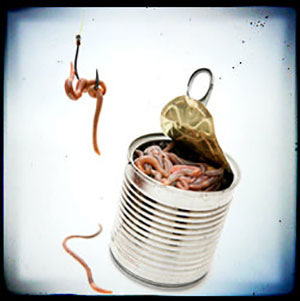
Using a bass hook and put on a big earthworm. Cast over top of a shoal or the shores edge and let the worm slowly sink. Let the worm dangle off the hook. Use light line like 4 or 6 pound test so you can cast farther. When doing this you generally don’t have to use any weight at all or very little.

Night Crawlers - Live Fishing Bait

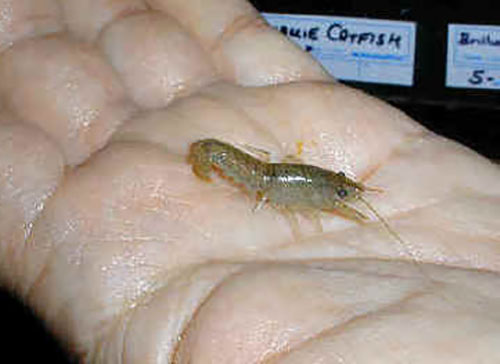
You can use a minnow or crayfish if you want also. As it sinks down a couple of feet you gently reel the worm in towards you until it hits the surface then let it sink down again.

Crawfish

Make sure you pull it very slowly and gently letting it sink and then pulling it to the surface again and again until the bass hit. It’s best not to use any weight even if you find it frustrating to cast.

You can also use a small float about 2 feet up from the bait to cast out and draw back. Another popular method is to let the live minnow drop strait down from the boat using none or just a small weight.

How to Consistently Catch Walleye!

Fishing methods to catch walleye are more varied in summer than in any other time of year.

Troll the Lake to Locate the Walleye

Back trolling with a slip-sinker rig or using a small jig with spinner is the best means of locating fish. Begin your fishing day by using bait-fish, but always carry a few night crawlers or leeches just in case. Use colored beads or a spinner blade in one of the bright fluorescent colors on a hook.

How To Avoid Getting Snags

Sometimes when the fish are using heavy cover such as weed, stumps or even boulders, it may be necessary to use a slip-bobber rig when you are getting lots of snags.

Find Deep Pools When River Fishing Walleye

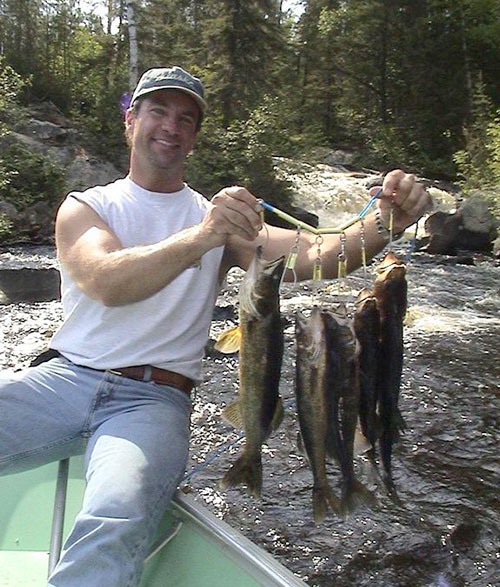
Walleye fishing in the interior rivers of Northwestern Ontario in summer is consistently best in the deep pools.

Working a slip-sinker rig or a leadhead tipped with a night crawler or plastic lure during low light periods will usually end with fish on the stringer. Minnows and leeches also work well for walleye.

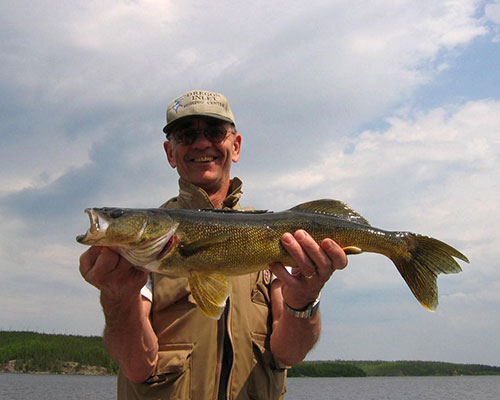
fishing the river mouth - walleye shore lunch